Shopping cart
Your cart empty!

Your cart empty!

Join 10k+ people to get notified about new posts, news and tips.
Do not worry we don't spam!
Terms of use dolor sit amet consectetur, adipisicing elit. Recusandae provident ullam aperiam quo ad non corrupti sit vel quam repellat ipsa quod sed, repellendus adipisci, ducimus ea modi odio assumenda.
Lorem ipsum dolor sit amet consectetur adipisicing elit. Sequi, cum esse possimus officiis amet ea voluptatibus libero! Dolorum assumenda esse, deserunt ipsum ad iusto! Praesentium error nobis tenetur at, quis nostrum facere excepturi architecto totam.
Lorem ipsum dolor sit amet consectetur adipisicing elit. Inventore, soluta alias eaque modi ipsum sint iusto fugiat vero velit rerum.
Sequi, cum esse possimus officiis amet ea voluptatibus libero! Dolorum assumenda esse, deserunt ipsum ad iusto! Praesentium error nobis tenetur at, quis nostrum facere excepturi architecto totam.
Lorem ipsum dolor sit amet consectetur adipisicing elit. Inventore, soluta alias eaque modi ipsum sint iusto fugiat vero velit rerum.
Dolor sit amet consectetur adipisicing elit. Sequi, cum esse possimus officiis amet ea voluptatibus libero! Dolorum assumenda esse, deserunt ipsum ad iusto! Praesentium error nobis tenetur at, quis nostrum facere excepturi architecto totam.
Lorem ipsum dolor sit amet consectetur adipisicing elit. Inventore, soluta alias eaque modi ipsum sint iusto fugiat vero velit rerum.
Sit amet consectetur adipisicing elit. Sequi, cum esse possimus officiis amet ea voluptatibus libero! Dolorum assumenda esse, deserunt ipsum ad iusto! Praesentium error nobis tenetur at, quis nostrum facere excepturi architecto totam.
Lorem ipsum dolor sit amet consectetur adipisicing elit. Inventore, soluta alias eaque modi ipsum sint iusto fugiat vero velit rerum.
Do you agree to our terms? Sign up

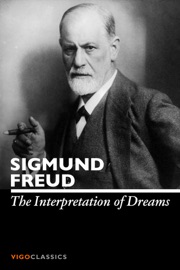
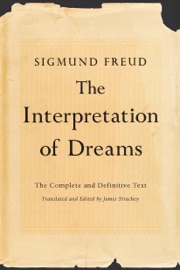
Part of the bestselling Capstone Classics Series edited by Tom Butler-Bowdon, this collectible, hard-back edition of The Interpretation of Dreams provides an accessible and insightful edition of this important work of psychology
Sigmund Freud's The Interpretation of Dreams introduced his ground-breaking theory of the unconscious and explored how interpreting dreams can reveal the true nature of humanity. Regarded as Freud's most significant work, this classic text helped establish the discipline of psychology and is the foundational work in the field of psychoanalysis. Highly readable and engaging, the book both provides a semi-autobiographical look into Freud’s personal life – his holidays in the Alps, spending time with his children, interacting with friends and colleagues – and delves into descriptions and analyses of the dreams themselves.
Freud begins with a review of literature on dreams written by a broad range of ancient and contemporary figures – concluding that science has learned little of the nature of dreams in the past several thousand years. Although the prevailing view was that dreams were merely responses to ‘sensory excitation,’ Freud felt that the multifaceted dimensions of dreams could not be attributed solely to physical causes. By the time Freud began writing the book he had interpreted over a thousand dreams of people with psychoses and recognised the connection between the content of dreams and a person’s mental health. Among his conclusions were that a person’s dreams:
Prefer using recent impressions, yet also have access to early childhood memories Unify different people, places, events and sensations into one story Usually focus on small or unnoticed things rather than major events Are almost always ‘wish fulfilments’ which are about the self Have many layers of meaning which are often condensed into a single image
The Interpretation of Dreams: The Psychology Classic is as riveting today as it was over a century ago. Anyone with interest in the workings of the unconscious mind will find this book an invaluable source of original insights and foundational scientific concepts. This edition includes an insightful Introduction by Sarah Tomley, a psychology writer and practicing psychotherapist. Tomley considers paints a picture of Freud's life and times, reveals the place of The Interpretation of Dreams in the context of Freud's other writings, and draws out the key points of the work.








































Comments