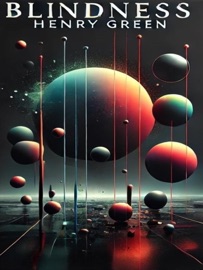
Blindness. Illustrated
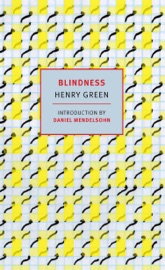
Blindness by Henry Green is a subtle and introspective debut novel that explores loss, identity, and emotional isolation in the aftermath of sudden tragedy. Written when Green was only twenty-one, the work already reveals the stylistic restraint and psychological acuity that would define his later fiction. The story centers on John Haye, a young schoolboy whose life is irrevocably altered after an accident leaves him blind. Removed from the familiar structures of school and companionship, John is sent to live in London, where he must confront not only his physical blindness but also the emotional distance that grows between himself and others. Green portrays John’s inner world with quiet sensitivity, emphasizing the nuances of perception, memory, and frustration. The novel does not rely on melodrama; instead, it presents blindness as both a literal condition and a metaphor for misunderstanding and detachment within human relationships. The prose is spare, precise, and carefully observed. Through subtle dialogue and understated narration, Green captures the vulnerability of adolescence and the painful transition from innocence to self-awareness. Blindness stands as a moving meditation on resilience and alienation, offering an intimate portrait of a young man learning to navigate a world transformed by darkness—both external and deeply internal.
More Books from Henry Green