Living. Illustrated
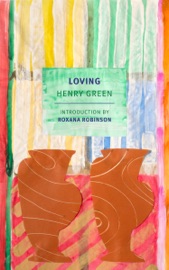
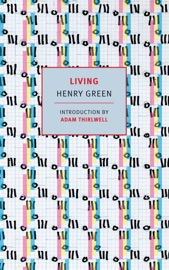
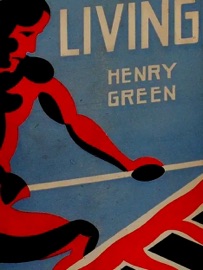
Living by Henry Green is a striking modernist novel that captures the rhythms and tensions of working-class life in an industrial English town. Drawing on Green’s own experience in his family’s Birmingham factory, the novel presents a vivid portrait of labor, youth, and social hierarchy during the interwar years. The story follows Lily Gates and a circle of factory workers whose lives revolve around routine, gossip, ambition, and small acts of rebellion. Rather than focusing on a single dramatic plot, Green builds the novel through fragments of conversation and shifting perspectives, allowing daily life to unfold with remarkable immediacy. One of the most distinctive features of Living is its experimental prose. Green deliberately omits articles and compresses dialogue, creating a clipped, urgent style that mirrors both the machinery of the factory and the emotional directness of his characters. The result is a narrative that feels raw, authentic, and intensely present. Beneath its surface realism, the novel explores themes of aspiration, class mobility, disappointment, and the restless energy of youth. It portrays the quiet resilience of ordinary people navigating economic constraint and social expectation. Living remains one of the boldest early experiments of English modernism—an unsentimental yet deeply humane study of work, language, and the pulse of everyday existence.
More Books from Henry Green